
Comprehensive Dryer Repair Guide: Restoring Heating, Rotation, and Airflow

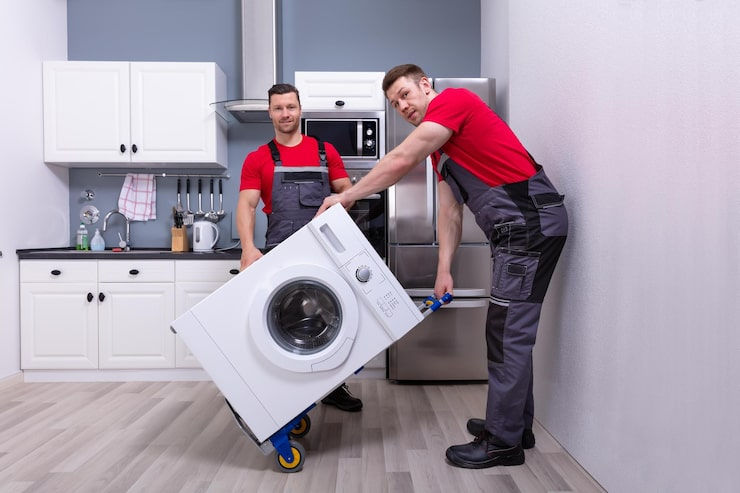
A residential clothes dryer is essential for completing laundry tasks quickly and leaving clothing soft, dry, and sanitized. When a dryer stops heating, takes multiple cycles to dry a single load, or ceases tumbling entirely, laundry quickly backs up.
Modern dryers use high-voltage heating circuits or gas burner assemblies alongside precision moisture sensors and centrifugal blowers. Expert troubleshooting resolves these heating and mechanical issues safely, restoring fast drying times while protecting your home from fire hazards.
Diagnosing Heating System Failures
Electric and gas clothes dryers use different heating methods to warm the air entering the tumbling drum. When heating components fail, the drum will tumble normally, but the air remains cold, leaving clothes damp even after extended running times.
Technicians test heating elements, thermal cutoffs, gas burner coils, and flame sensors to find the source of heating failure. Replacing damaged components restores efficient, warm airflow and cuts down drying times.
Electric Heating Element Testing
Electric dryers use heavy nickel-chromium coiled wire elements that glow red hot as high-voltage electric current passes through them. Over time, high heat and vibration can cause these coils to sag, break, or ground out against the metal housing.
Technicians use digital multimeters to test heating element continuity and inspect the ceramic insulators for cracks. Prompt dryer repair replaces damaged element assemblies, preventing electrical shorts and restoring fast drying performance.
Thermal Fuse Safety Verification
The thermal fuse is a non-resettable safety device designed to blow if the dryer's exhaust temperature exceeds safe limits. A blown thermal fuse completely cuts power to the heating element or drive motor to prevent a fire.
A technician checks thermal fuse continuity and cleans out the exhaust vent to remove the lint buildup that caused the overheating. Replacing the thermal fuse and clearing exhaust pathways restores safe, normal dryer operation.
Gas Valve Solenoid Coils and Flame Sensor Operation
Gas clothes dryers use dual solenoid coils to open the main gas valve once the silicon carbide igniter reaches ignition temperature. When these solenoid coils weaken, the dryer may ignite once initially, but fail to relight during the rest of the cycle.
Technicians test the flame sensor and check solenoid coil resistance under heated operating conditions. Installing new gas valve coils ensures steady burner ignition and consistent heat output throughout the entire cycle.
Drum Rotation and Drive Mechanism Repairs
A dryer's drum is rotated by a drive belt connected to a high-speed electric motor and a spring-loaded idler pulley. When the belt snaps or drum support rollers seize, the motor may hum without turning the drum, or stop running entirely.
Technicians inspect the drive belt, idler arm assembly, and drum support rollers for physical wear, cracks, or flat spots. Replacing worn drive components restores smooth, quiet drum rotation and eliminates squeaking or thumping noises.
Drum Support Roller and Axle Wear
Heavy, wet laundry puts continuous downward pressure on the drum support rollers that guide the rotating cylinder. Over time, friction and lint dust dry out roller bearings, causing loud squealing, rumbling, or drum binding.
Technicians remove the front bulkhead to inspect roller axles for grooving and replace worn rollers with new factory parts. Properly lubricating axles with high-temperature lubricant ensures quiet operation and extends drive motor life.
Frequently Asked Questions
Why does my clothes dryer take two or three cycles to dry a normal load?
Long dry times are almost always caused by a lint-clogged exhaust vent line, a failing heating element, or a blown cycling thermostat. Clearing the vent ductwork restores airflow and reduces drying times.
What causes a clothes dryer to make a loud thumping noise during cycles?
Loud thumping noises usually point to a flat-spotted drum support roller, a damaged idler pulley, or a broken drum seam. Replacing worn support rollers restores smooth, quiet drum rotation.
Conclusion
Modern clothes dryers combine high-voltage electrical circuits, mechanical drive systems, and high-velocity airflow to dry laundry quickly and safely. Promptly addressing warning signs like extended drying times, unusual noises, or low heat prevents total component failure and reduces household fire risks.
Working with experienced appliance technicians guarantees thorough safety inspections and the installation of genuine replacement parts. Professional care keeps your dryer running efficiently, quietly, and safely for years to come.


Comments