
Dumpster Pad Cleaning for Retail Centers and Busy Properties

Dumpster pad cleaning matters most at retail centers and busy properties because shared service areas get dirty fast and affect every tenant. A scheduled wash every 3 to 6 months removes grease and grime, prevents slippery patches, and keeps the whole center looking consistent from the front entrance to the back.
Apply The Pressure Group has worked with Santa Clarita businesses for over 7 years, so the team understands how shared spaces behave. This article explains why centers need a plan, how a crew handles busy sites, and what property managers can do to keep tenants happy without extra effort.
Why Do Shared Service Areas Get Neglected?
When several tenants share one pad, everyone assumes someone else will handle it. Weeks pass, oil and grime build up, and the area slowly turns dark and slick. Nobody’s being careless. The responsibility is just unclear, so the job slips.
That’s where a manager’s plan helps. One vendor, one calendar, and clear dates remove the guesswork. Exterior grime hurts first impressions, and first impressions drive foot traffic, so even back of house areas deserve attention when customers can see them from a walkway or parking lot.
What Builds Up in Busy Centers?
Busy sites collect oil, grease, tire marks, dust, and moisture. Shaded corners hold dampness, so algae and mildew show up there first. Foot and vehicle traffic grinds all of it into porous concrete, which makes stains deeper and harder to remove with each passing week.
Left alone, each problem gets worse. Contaminants can compromise the integrity and safety of surfaces over time, which means slip hazards and faster wear. Scheduled care beats occasional rescue cleaning every time, because it keeps buildup shallow and each visit lighter, quicker, and cheaper.
How Does a Crew Handle a Working Center?
Professionals plan around your business. The team works Monday through Saturday from 7 AM to 5 PM, so you can choose a quiet window that avoids tenant disruption. Crews arrive with commercial grade equipment, set up quickly, and focus on finishing efficiently.
On the surface, they assess first. Apply The Pressure Group uses high PSI washers, surface cleaners, and degreasers, then adjusts pressure and nozzles to protect nearby paint and windows. Biodegradable cleaners and water runoff best practices keep the process responsible, which matters when neighbors and customers are close by.
What Does a Real Scenario Look Like?
Imagine a retail center in Valencia with a row of small shops sharing one service area. The pad is dark with oil, the edges are streaked, and employees step carefully around slick patches. Everyone knows it needs work, but each tenant waits for someone else to act.
One scheduled visit changes the feel. The concrete lightens, the slippery spots disappear, and the property manager gets fewer complaints. With a maintenance plan in place, cleanings arrive on time without anyone chasing dates. That’s the quiet value of a dependable crew, and tenants notice it.
How Often Should Busy Sites Schedule Cleanings?
Commercial areas with heavy vehicle activity often need pressure washing every 3 to 6 months because of oil, grime, and weather. Busier centers sit near the 3 month end. Storefronts and exteriors suit a quarterly or biannual schedule, so you can line up the dates.
Warning signs still win over the calendar. If you spot oil stains, tire marks, or slippery algae, book a cleaning right away, regardless of the last wash date. Quick action prevents many avoidable accidents, and it protects tenants and visitors who walk through the area daily.
Why Combine Pads With Other Surfaces?
Service areas sit beside lots, walkways, and garages that need attention on similar timelines. Combining them saves time and keeps your property consistent, instead of leaving one tired corner that undermines the rest. It also means fewer vendor calls for you.
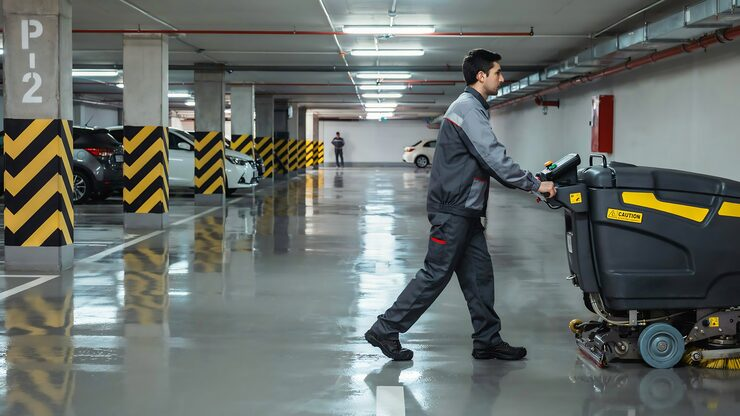
Many managers pair parking garage cleaning with their pad visits for that reason. Commercial garages and parking areas often need service every 3 to 6 months, which matches the pad rhythm. In fact, one crew covering everything is easier to schedule, easier to budget, and easier to hold accountable.
What Should Managers Check Before Hiring?
Start with credentials. Apply The Pressure Group is locally owned, licensed, insured, and professionally trained, and it offers a satisfaction guarantee. A property manager who takes care of many commercial properties called it one of their best experiences among many providers, citing on time service and detailed answers.
Then ask about pricing and coverage. The company offers free estimates, transparent pricing, and honest assessments with no hidden fees. For dumpster pad cleaning at your center, mention the size of the area and any oil problems when you call. The crew serves Santa Clarita, Valencia, Woodland Hills, Thousand Oaks, and Agoura Hills.
Conclusion
Retail centers need clean service areas as much as clean storefronts. Set a 3 to 6 month schedule, pair pads with nearby surfaces, and hire a licensed, insured crew you can rely on. With a plan in place, shared spaces stop being a source of complaints.
FAQs
How often should a retail center clean its dumpster pad?
Busy commercial areas often need cleaning every 3 to 6 months.
Will cleaning disrupt my tenants?
Scheduling is flexible, Monday through Saturday from 7 AM to 5 PM, so you can choose a quiet window.
Can the company serve several properties?
Yes. It serves Santa Clarita, Valencia, Woodland Hills, Thousand Oaks, and Agoura Hills.


Comments